Diet
As natural, high in fiber and plant-based as possible. No wheat, no cow's milk, no breakfast.
Updated: October 2026
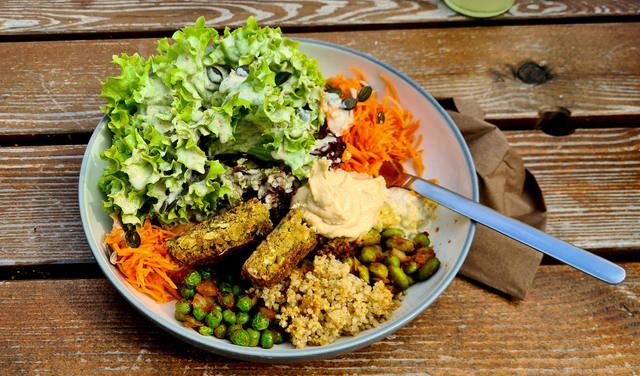
By diet I don't mean miracle cures. I mean the way you eat every day.
What Does the Research Say?
Observational studies show that people who eat a Mediterranean diet get Parkinson's less often and later in life: lots of vegetables, fruit, legumes, whole grains, olive oil and fish. Whether changing your diet after the diagnosis slows the course of the disease has not been proven. The Mediterranean diet and the MIND diet derived from it come out best, with 300 to 500 grams of vegetables a day and mostly plant-based food.
A high-fiber diet is also good for the gut flora, especially for the bacteria that produce butyric acid, and it helps against constipation, a common problem in Parkinson's.
How I Eat
After my first microbiome transfer in November 2021, the doctor advised me to avoid gluten as much as possible. Since then:
- I avoid wheat products, cow's milk products and industrially processed foods
- I eat little meat and fish and lean toward a vegan and, as far as possible, alkaline diet
- I skip breakfast, because I am convinced that longer breaks between meals support the cells' self-cleaning
I used to think diet was one of the most important building blocks. Today I rate its share somewhat lower than that of exercise, TPS or the microbiome transfer. It still matters, though, especially for the gut. More on fasting under Fasting and Fasting-Mimicking, and on supplements under Supplements.
Effort and Cost
A healthy diet mainly costs you change and discipline, not necessarily more money.
My Conclusion
Eat as naturally as possible, with plenty of fiber and little processed food. It doesn't hurt anyone, and it helps the gut, the heart and the brain.